

Latest Updates
Go back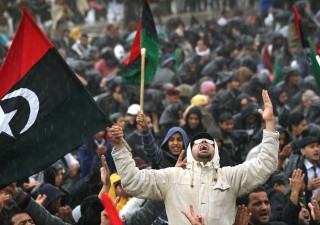
Libya: the challenges facing the exercise of fundamental freedoms continued
General updates
During June and July 2026, the challenges facing the exercise of fundamental freedoms in Libya continued, amid ongoing political division and the presence of multiple security and military actors controlling different parts of the country. Although some forms of civic mobilization were recorded, the overall environment remained characterized by significant restrictions on civil society activities, continued constraints on freedom of expression, and varying official responses to peaceful gatherings depending on their nature and the entity organizing them.
Freedom of Expression
The environment for freedom of expression during June and July continued to be affected by security measures and restrictions targeting activists, journalists, and content creators, both in western and eastern Libya.
Concerns regarding restrictions on civic activism and the treatment of humanitarian volunteers emerged in Libya during the first week of June 2026. On 3 June, judicial authorities in eastern Libya extended the detention of around ten international activists associated with the Global Sumud Land Convoy, a humanitarian initiative seeking to deliver aid to Gaza. The activists, who included medical professionals and aid workers from several countries, had been detained near Sirte in late May while attempting to negotiate safe passage for the convoy. From 1 June and at least until 4 June, the detainees, aged between 30 and 70 and nationals of Argentina, Italy, Poland, Portugal, Spain, Tunisia, Uruguay and the United States, reportedly went on hunger strike in protest against their continued detention and the denial of access to their lawyers and families.
On 21 June 2026, security forces in Benghazi arrested trade union activist Nermin al-Sharif, head of the General Federation of Libyan Trade Unions, following Facebook posts in which she criticized public officials, including the Speaker of the House of Representatives. The arrest was reportedly carried out by the Criminal Investigation Department in connection with a complaint related to her online expression.
Monthly human rights reports also continued to document cases of arbitrary detention and violations against civilians and activists, amid a lack of sufficient information regarding the outcomes of investigations or accountability procedures. This contributes to a climate of impunity and directly affects the space available for public expression.
Freedom of Peaceful Assembly
Peaceful assembly was the most prominent issue during the two-month period, with an increase in popular protests in several cities in western Libya in response to electricity shortages and the deterioration of public services.
June witnessed protests in front of the headquarters of the United Nations High Commissioner for Refugees (UNHCR) in Tripoli, following the circulation of information regarding the resettlement of migrants in Libya. Although the UN Mission confirmed that there was no programme to resettle refugees in the country, the protests remained peaceful for most of their duration before being followed by a broad security campaign targeting migrants and refugees in several areas, according to documentation by international organizations.
In late July, Tripoli and the cities of Zawiya, Misrata and others witnessed widespread protests, including road blockages and the occupation of public facilities. Protesters called for improvements to basic services and accountability for those responsible for the electricity crisis, while some participants also called for a change of government. At the same time, several influential social media figures and a significant number of citizens were reportedly abducted, including Jamal Al-Muntasir, who was abducted after criticizing the deteriorating living conditions recently experienced by the city of Tripoli.
These developments reflect the continued ability of citizens to organize public protests on certain occasions. However, the exercise of this right remains closely linked to the security and political context, and the level of protection afforded to peaceful assemblies varies depending on the authority controlling the area and the nature of the demands being raised.
Overall, June and July 2026 did not witness any tangible improvement in the situation of fundamental freedoms in Libya. Restrictions on civil society continued, while freedom of expression remained subject to challenges related to prosecution and detention. At the same time, freedom of peaceful assembly witnessed notable activity through popular protests linked to living conditions, although the official response to these gatherings remained inconsistent, reflecting the continued fragility of guarantees for the exercise of fundamental rights and freedoms.