

Latest Updates
Go back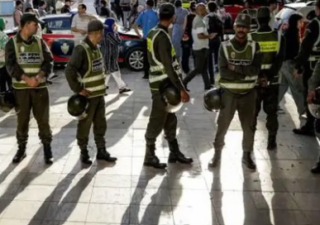
Morocco: Judicial and security measures to restrict youth activism and public protests
General updates
In early 2026, Morocco’s political environment was increasingly influenced by preparations for the parliamentary elections set for 23 September 2026. The announcement of the election date prompted political parties to start positioning themselves, with early maneuvering for candidate nominations and strategic campaigning already underway. Opposition groups and members of the Moroccan diaspora voiced concerns about participation and consultation, signaling active debate and contestation ahead of the official campaign period.
Freedom of expression
Morocco continues to use judicial and security measures to restrict youth activism and public dissent, raising serious concerns about freedom of expression and peaceful assembly. In early February 2026, authorities maintained pressure on young people linked to the GenZ 212 protest movement, which had organized large demonstrations in late 2025. Between 1 and 15 February, a series of arrests and prosecutions targeted activists in several cities, including Casablanca, Marrakesh, and Tiznit, with individuals summoned for questioning, detained, or charged in connection with their participation in protests or their online expression. For example, Mohammed Khalif was arrested in Casablanca on 17 February 2026 and prosecuted on charges of “insulting sacred values” in relation to social media content shared during the 2025 protests.
Cases of transnational repression against activists abroad have raised growing concerns about restrictions on freedom of expression in Morocco. On 12 February 2026, Moroccan authorities arrested activist Zineb El Kharroubi at Marrakesh Menara Airport shortly after she returned from France, where she had been living. The arrest was reportedly linked to online posts and political commentary she had shared while in Paris, which authorities had monitored.
Morocco’s efforts to reform the National Press Council in early March 2026 raised serious freedom of expression concerns. After the Constitutional Court struck down parts of Draft Law 26.25 in February, the government introduced Draft Law 09.26, which critics argue still allows political influence over the council, lacks transparent journalist participation, and grants powers that could suspend publications without adequate oversight. Rights groups warned that the law threatens media independence, pluralism, and editorial freedom, creating a chilling effect on journalists and undermining press freedom.
Freedom of peaceful assembly
Moroccan authorities prevented planned peaceful demonstrations in support of Palestine and Iran, raising concerns about restrictions on freedom of expression and assembly. On 28 February 2026, security forces disrupted and blocked organizers’ efforts to hold solidarity vigils in major cities including Rabat and Tangier. Activists said the events were intended to express public support for civilians affected by conflicts in the Middle East, but officials did not authorize the gatherings and stopped participants from assembling. A few days later, in the city of Tétouan on 3 March, security forces intervened to stop a planned protest called to show solidarity with Iran and condemn recent regional military actions, breaking up the small group of demonstrators and pursuing some participants into nearby streets before later releasing them.